

Deep ’n Blue Subotica · Education · Breathing and gas
DIN/INT connections, O-ring, opening, closing and compatibility.
What is it and what is it used for?
The connection between the cylinder and regulator depends on the thread, valve type and permitted working pressure. DIN and INT/yoke are common connection types, but not all valves are interchangeable.
Valves may have one or more outlets, isolation components or special designs for twinsets; this description covers the principle, not servicing a specific valve assembly.
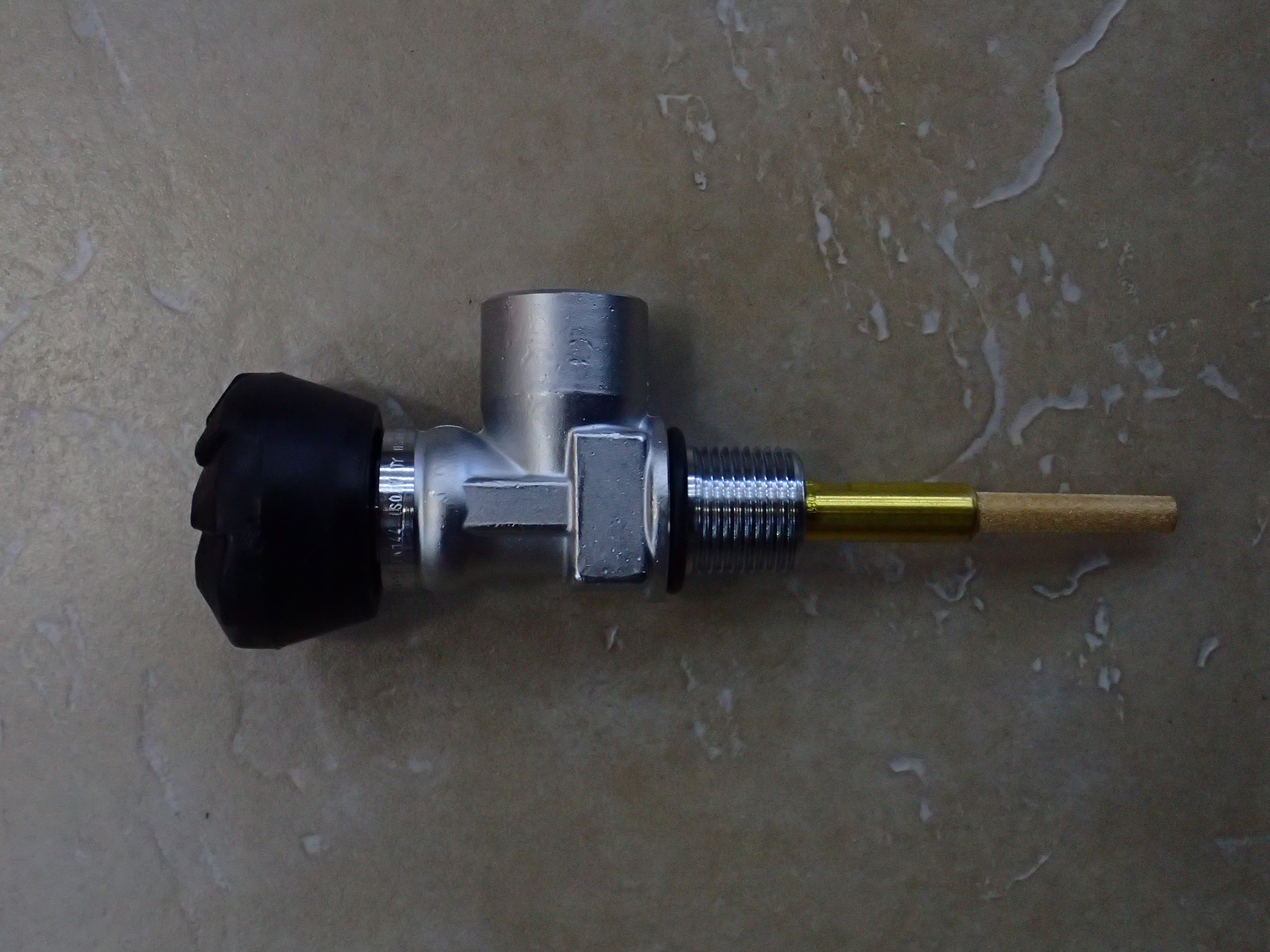
Components and basic concepts
- Valve body – the load-bearing component attached to the cylinder neck.
- Handwheel – manually controls opening and closing.
- Outlet connection – DIN or INT/yoke according to specification.
- Seal/O-ring – provides sealing at the designated location.
- Threads and construction – must match the cylinder and pressure.
How does it work?
- Turning the handwheel to open the valve allows gas to flow towards the regulator.
- The seal ensures a leak-tight connection within the specified conditions.
- Closing the valve shuts off the gas supply from the cylinder.
Selection and proper use
- When receiving a cylinder, check the valve type and compatibility with the regulator.
- Follow the prescribed procedures taught in training for opening and checking the valve.
- The valve must remain accessible to the buddy and/or diver, depending on the configuration.
Pre-dive check
- Inspect the outlet, O-ring and any signs of damage.
- After assembly, check for leaks with the valve open.
- Check that the handwheel is not obstructed by equipment.
Common mistakes
- Forcing incompatible threads or adapters.
- Forcefully tightening connections without following specifications.
- Ignoring leaks at seals.
Maintenance and storage
- Do not lubricate valves with arbitrary lubricants.
- Valve servicing and replacement must be performed by a qualified person.
- Protect the connection during storage.
Instructor’s note: An improperly made cylinder connection can have serious consequences; do not use this diagram as a service manual.
Further reading
For pre-dive checks and maintenance, see DAN – Gear Care Guidelines and DAN – Diving Equipment. The specific manufacturer’s instructions and training take precedence over this general overview.