


Deep ’n Blue Subotica · Education · Thermal protection
Seals, valves, undergarments and control of gas in the suit.
What is it and what is it used for?
A drysuit prevents most of the body from coming into direct contact with water by means of a waterproof shell and seals. Warmth is provided primarily by suitable undergarments and layers.
A drysuit contains gas whose volume varies with depth. Control of the gas and body position requires separate practical training.
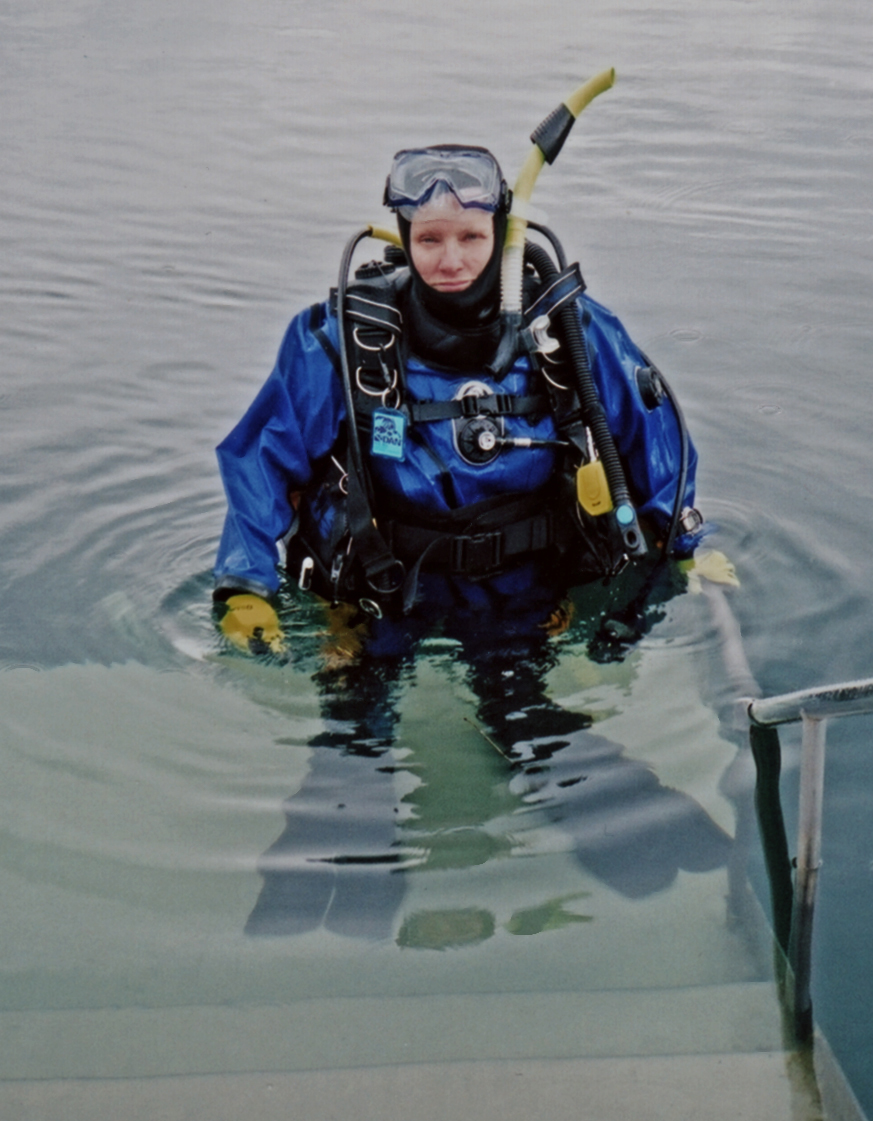
Components and basic concepts
- Waterproof shell and zipper.
- Neck and wrist seals.
- Inflation valve supplied with gas from a suitable LP source.
- Exhaust valve for gas control.
- Undergarment and foot protection.
How does it work?
- Gas is added to prevent uncomfortable suit squeeze during descent.
- Excess gas is released in a controlled manner during ascent.
- Insulation depends on the undergarment, moisture, fit and the overall system.
Selection and proper use
- A drysuit does not replace the BCD in a typical recreational configuration.
- An unsuitable undergarment may provide insufficient or excessive warmth.
- Valve position and gas release depend on body orientation.
Pre-dive check
- Check the zipper, seals, inflation and exhaust valves.
- Check that the LP hose is compatible with the suit valve.
- Perform a controlled trial and a buddy check.
Common mistakes
- Excessive gas in the suit and poor control of body position.
- A faulty neck seal or damaged zipper.
- Unsuitable weighting and undergarment.
Maintenance and storage
- Rinse and dry the inside and outside according to the instructions.
- Care for the zipper and seals using products intended for them.
- Have the valves serviced according to the manufacturer’s instructions.
Instructor’s note: Gas trapped in the legs or a feet-first ascent requires practiced procedures; do not experiment without drysuit training.
Further reading
For pre-dive checks and maintenance, see DAN – Gear Care Guidelines and DAN – Diving Equipment. The specific manufacturer’s instructions and training take precedence over this general overview.