

Deep ’n Blue Subotica · Education · Lines and signalling
Underwater load buoyancy and the principles of load control.
What is it and what is it used for?
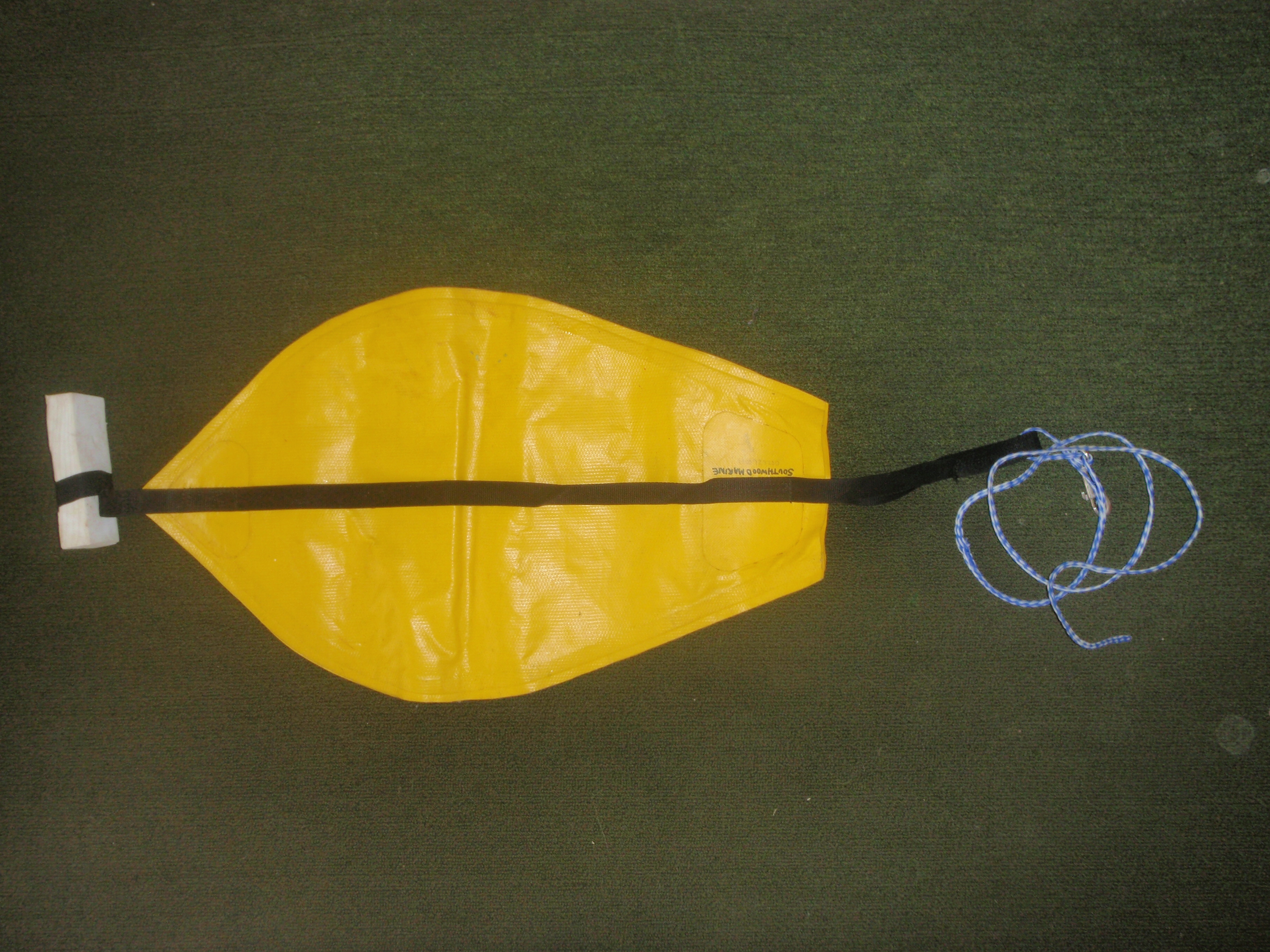
A lift bag is a purpose-built device for generating buoyancy during controlled underwater lifting of a load. It is not a substitute for a personal BCD, and working with a load can be more complex than simply deploying a DSMB.
The amount of gas in the bag changes with depth, so a load that starts rising can accelerate if the gas is not controlled with an appropriate system.
Components and basic concepts
- Gas chamber with a suitable inlet.
- Valve for releasing excess gas, if fitted.
- Load-bearing attachment point rated for the load.
- Load rigging and an independent control line, depending on the task.
How does it work?
- Gas in the bag displaces water and generates buoyancy.
- The buoyant force is compared with the underwater weight of the load.
- A change in depth alters gas volume and the forces in the system.
Selection and proper use
- Lift only loads for which the system is rated and intended.
- Planning includes suspension points and the direction of load movement.
- Divers must not position themselves above the load in its potential ascent path.
Pre-dive check
- Check the seams, valves, load rating and connections.
- Consider the possibility of sudden release of the load.
- Confirm communication and team roles.
Common mistakes
- Attaching the bag to the diver’s body.
- Underestimating volume changes during ascent.
- A load without a controlled path or securing arrangements.
Maintenance and storage
- Rinse and inspect according to the instructions.
- Do not use damaged load-bearing points.
- Seam replacement or repair is carried out by a qualified service provider.
Instructor’s note: Lifting loads requires specific training and a plan. Do not use a recreational DSMB as an improvised lift bag.
Further reading
For pre-dive checks and maintenance, see DAN – Gear Care Guidelines and DAN – Diving Equipment. The specific manufacturer’s instructions and training take precedence over this general overview.