

Deep ’n Blue Subotica · Education · Thermal protection
Protection of the extremities, hand dexterity and proper sizing.
What is it and what is it used for?
The head, hands and feet often limit comfort in cold water. These accessories reduce heat loss and protect against friction, but never justify touching living organisms or sensitive bottoms.
The choice is a compromise between insulation, tactile feedback when operating controls and freedom of movement.
Components and basic concepts
- Hood – neoprene or a system compatible with the drysuit.
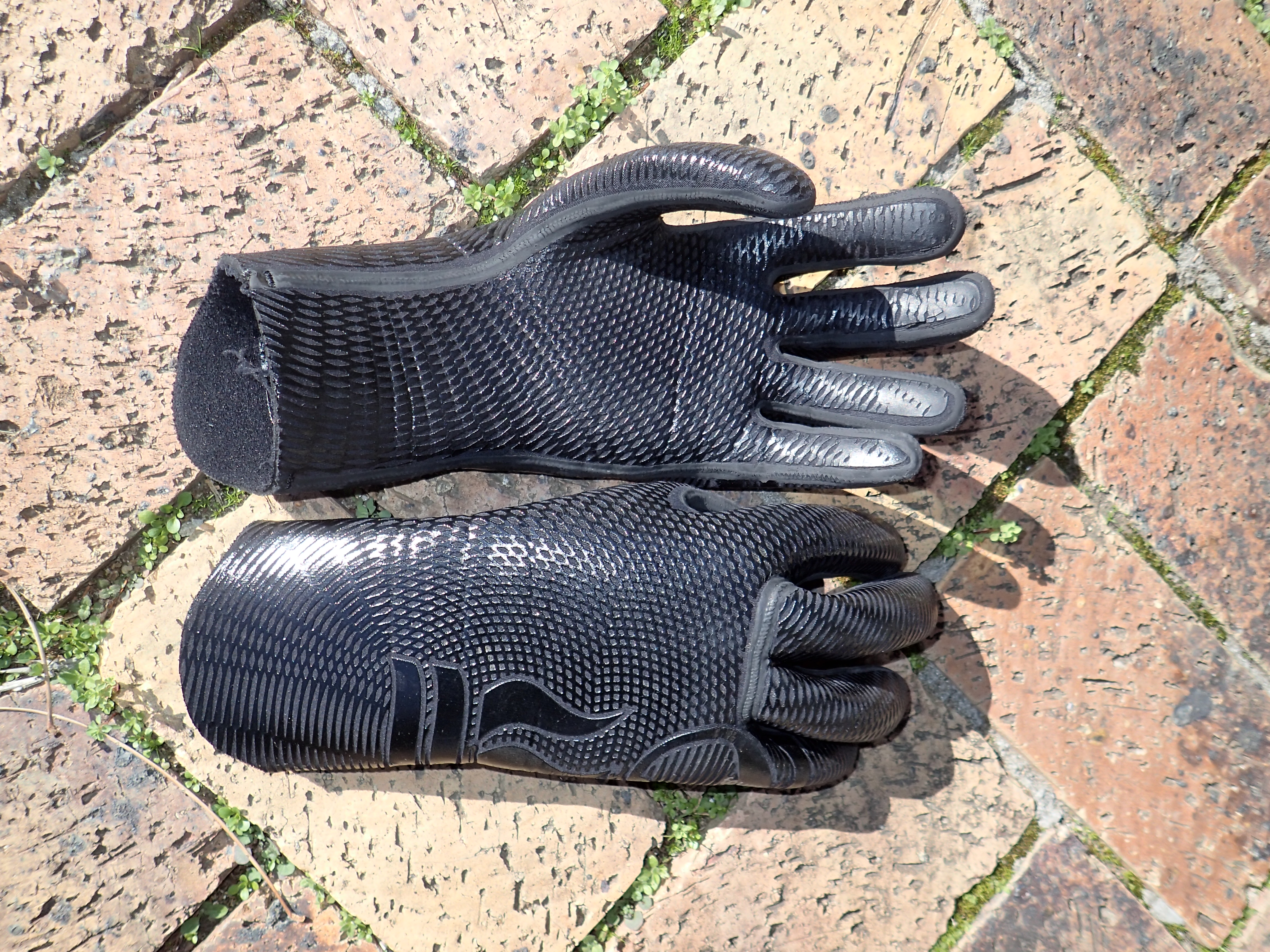
- Gloves – wet or dry, depending on temperature and configuration.
- Dive boots – foot protection and insulation; compatible with the fins.
- Fasteners/seals – may improve or worsen the fit.
How does it work?
- The insulating layer slows heat transfer.
- A better fit reduces the circulation of cold water.
- An excessively thick glove can reduce dexterity when operating valves.
Selection and proper use
- Try the gloves together with clips, hoses and valves.
- The boots must fit the fin foot pockets.
- The hood must not significantly impair hearing, vision or head rotation.
Pre-dive check
- Check the seals and seams.
- In full configuration, check that you can reach the valves and buckles.
- Check for painful pressure points or excessive tightness.
Common mistakes
- Excessively thick gloves without practising the required movements.
- Boots that are too large for the fins.
- A hood tucked in so that it interferes with the mask.
Maintenance and storage
- Rinse and dry thoroughly.
- Do not leave neoprene exposed to sunlight.
- Replace damaged seals before further use.
Instructor’s note: Loss of dexterity in cold water can compromise equipment handling; assess it before entering the water.
Further reading
For pre-dive checks and maintenance, see DAN – Gear Care Guidelines and DAN – Diving Equipment. The specific manufacturer’s instructions and training take precedence over this general overview.